



Henna Tattoo: Meaning, History, Designs, and Aftercare Guide
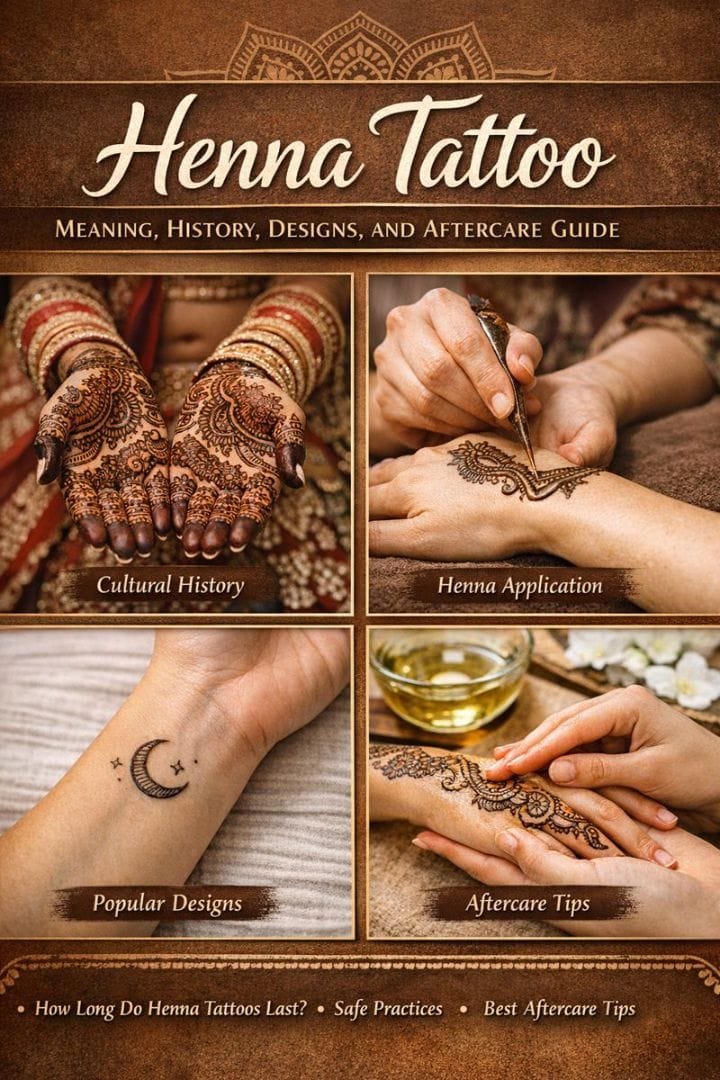
Henna tattoos are a natural, temporary body art with deep cultural roots. Learn about henna tattoo meanings, designs, how long they last, and aftercare tips.
What Is a Henna Tattoo?
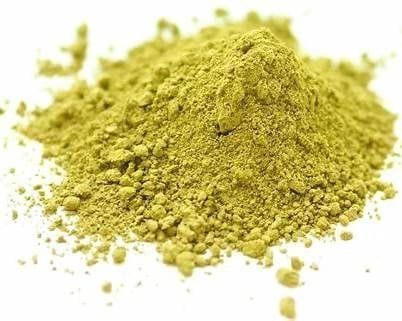
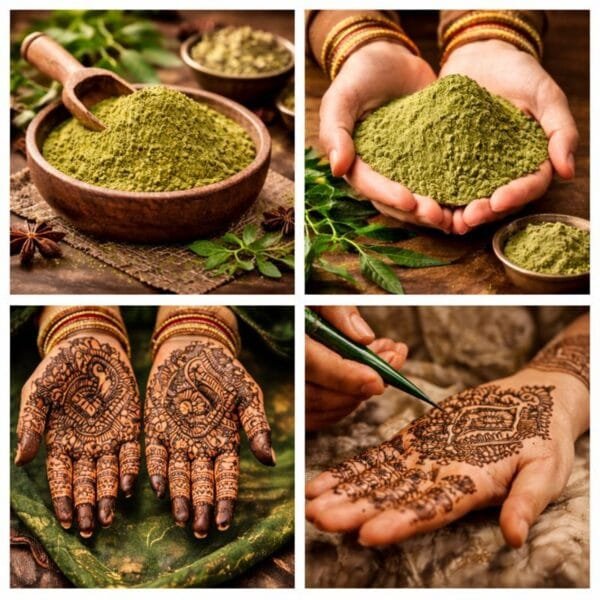
A henna tattoo is a temporary form of body art made using a natural dye derived from the henna plant (Lawsonia inermis). Unlike permanent tattoos, henna stains the top layer of the skin and gradually fades over time, making it a popular choice for people who want beautiful body art without long-term commitment.
enna tattoos are known for their rich reddish-brown color and intricate patterns. They are commonly applied on hands, feet, arms, and ankles.
History and Cultural Significance of Henna Tattoos
Henna tattoos have been used for over 5,000 years across many cultures, including:
- India & South Asia – Bridal mehndi ceremonies
- Middle East – Celebrations and festivals
- North Africa – Protection and blessings
- Ancient Egypt – Beauty and spiritual rituals
In many traditions, henna symbolizes joy, good luck, protection, love, and prosperity. For brides, darker henna stains are often believed to represent deeper love and stronger bonds.
Popular Henna Tattoo Designs
Henna designs range from simple to highly detailed. Some popular styles include:
1. Traditional Indian Mehndi
Detailed floral patterns, paisleys, and mandalas covering hands and feet.
2. Arabic Henna Designs
Bold, flowing patterns with leaves and flowers, usually less dense.
3. Moroccan Henna
Geometric shapes and symmetrical designs with cultural symbolism.
4. Modern Minimal Henna
Small symbols, fine lines, moons, stars, or name initials.

How Long Does a Henna Tattoo Last?
A henna tattoo typically lasts 1 to 3 weeks, depending on:
- Skin type
- Placement (hands and feet fade faster)
- Quality of henna
- Aftercare routine
Fresh henna appears orange at first and darkens to a deep brown within 24–48 hours.
Henna Tattoo Aftercare Tips
To make your henna tattoo last longer:
Avoid water for the first 24 hours
Apply natural oils (coconut or olive oil)
Avoid soap and exfoliation on the design
Keep the area warm after application
Proper aftercare can significantly enhance the color and lifespan of your henna tattoo.
Is Henna Tattoo Safe?
Natural henna is safe for most people. However, avoid black henna, which may contain harmful chemicals like PPD that can cause skin reactions.
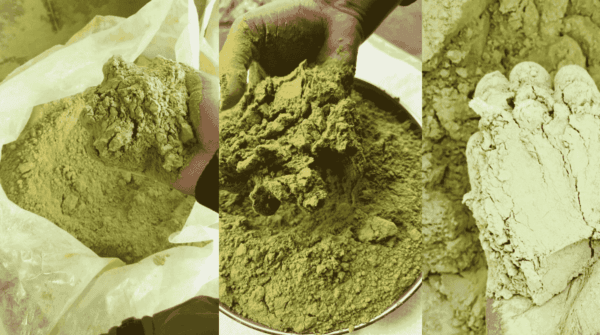
Always ensure your henna artist uses 100% naturals henna powdwer mixed with safe ingredients.
Why Henna Tattoos Are Still Popular Today
Henna tattoos continue to grow in popularity because they are:
- Temporary and painless
- Affordable
- Natural and chemical-free
- Customizable and artistic
- Suitable for all ages
They are commonly seen at weddings, festivals, vacations, and cultural events.
Final Thoughts
Henna tattoos are more than just body art—they are a blend of tradition, creativity, and personal expression. Whether you choose a bold bridal design or a small modern symbol, henna offers a meaningful and beautiful way to decorate your skin naturally.
If you’re looking for a temporary tattoo that tells a story, henna tattoos are a perfect choice.