

Is Henna Safe for Skin? Everything You Need to Know | Yesaara Naturals
Henna has been used for centuries as a natural form of body art, hair care, and self-expression. From traditional bridal mehndi to modern minimal designs, henna continues to be loved across cultures. But one common question still remains: Is henna safe for skin?
At Yesaara Naturals, we believe in transparency, purity, and skin-friendly beauty. In this blog, we’ll explore what makes henna safe, what to avoid, and how to choose the right henna for your skin.
What Is Henna?
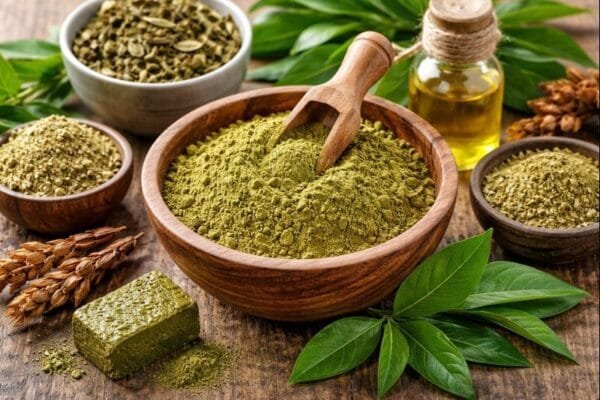
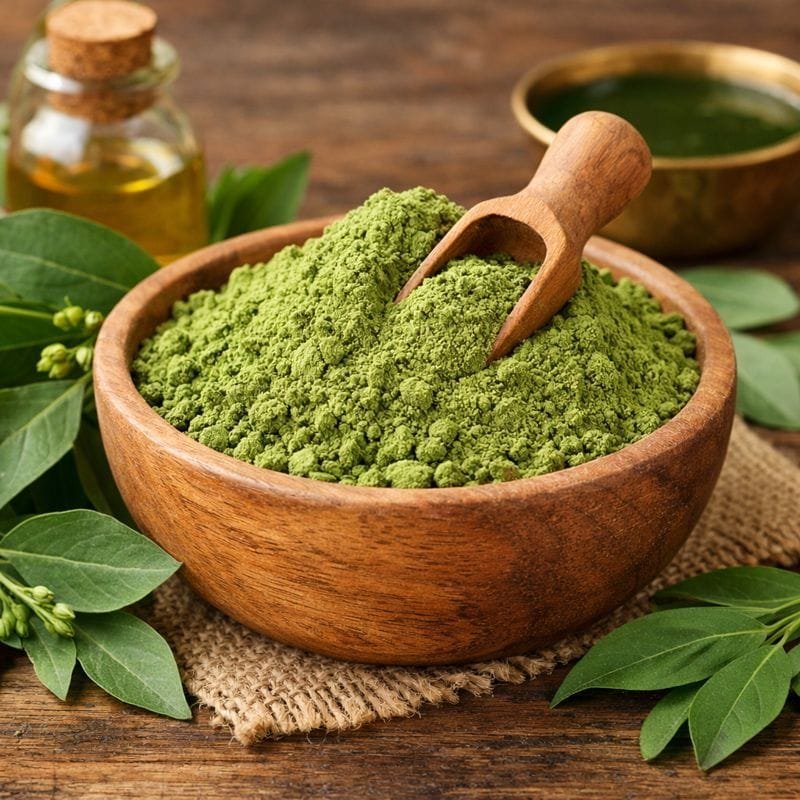
Henna is a natural dye derived from the leaves of the Lawsonia inermis plant. When dried, powdered, and mixed with liquid, it releases a reddish-brown pigment that stains the skin temporarily.
Pure, natural henna contains only one ingredient: henna leaf powder. When used correctly, it is generally safe for most skin types.
Is Natural Henna Safe for Skin?
Yes — natural henna is safe for skin when it is pure and chemical-free.
Natural henna:
- Is plant-based and non-toxic
- Has cooling and soothing properties
- Is traditionally used on hands, feet, and scalp
- Rarely causes reactions when pure
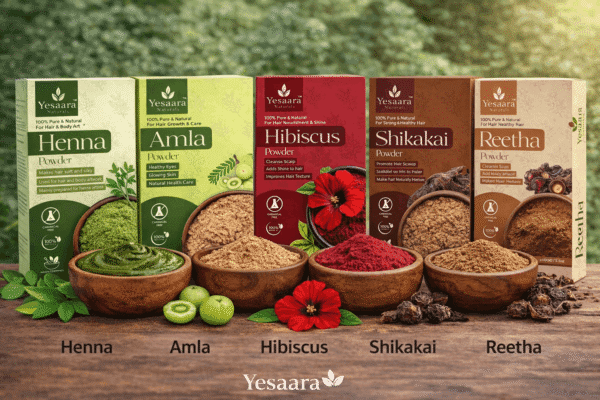
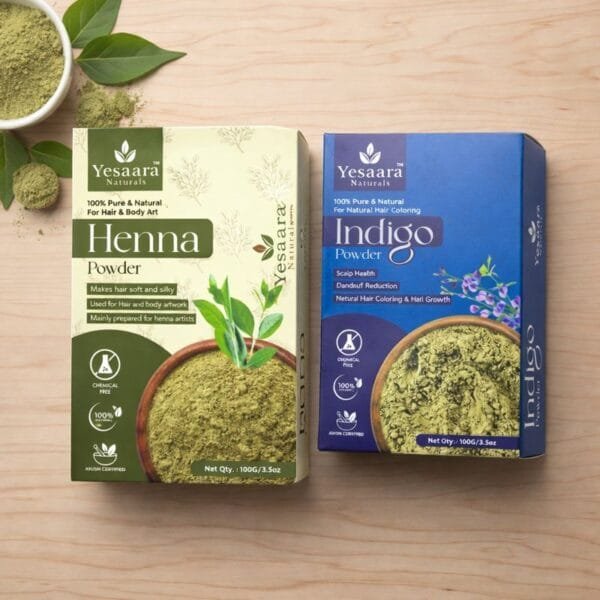
At Yesaara Naturals, our henna products are made without harsh chemicals, artificial dyes, or preservatives, ensuring a safer experience for your skin.
The Real Risk: Black Henna
While natural henna is safe, black henna is NOT.
Why Black Henna Is Dangerous
Black henna often contains PPD (Para-Phenylenediamine), a chemical used in hair dyes to create a dark stain instantly.
PPD can cause:
- Severe skin allergies
- Chemical burns
- Blisters and itching
- Permanent scarring
- Long-term skin sensitivity
Black henna should never be used on skin.
Natural henna stains orange to deep brown — never black.
How to Identify Skin-Safe Henna
When choosing henna for skin application, look for these signs:
Safe Henna
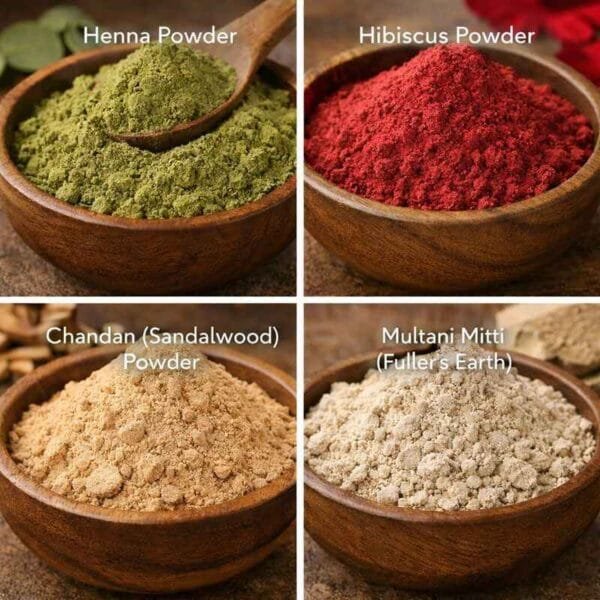
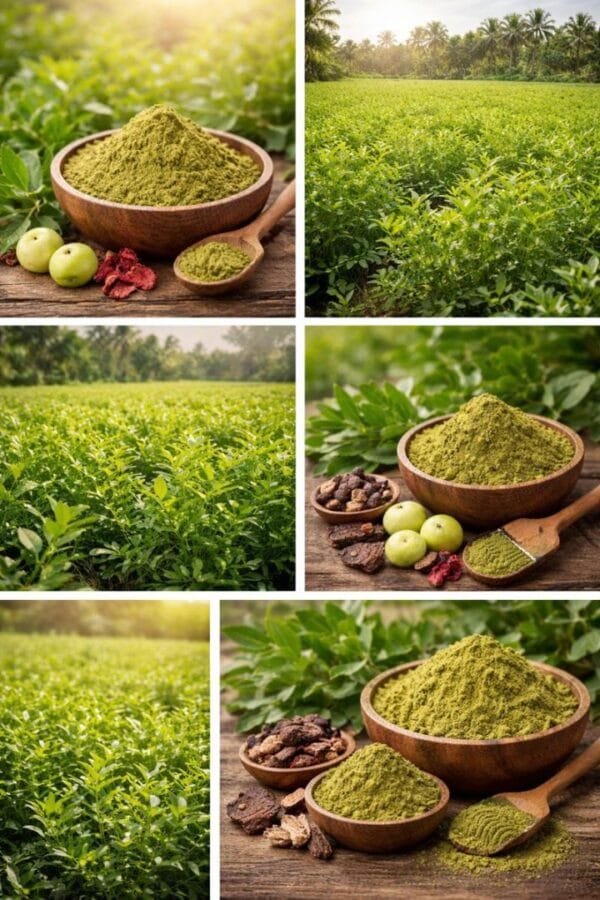
- Greenish-brown powder
- Earthy, herbal smell
- Takes 6–24 hours to develop color
- Ingredients list shows only Lawsonia inermis
Unsafe Henna
- Jet-black color stain
- Chemical or artificial fragrance
- Instant dark results
- No clear ingredient disclosure
Yesaara Naturals ensures 100% natural, lab-tested henna suitable for skin and hair use.
Is Henna Safe for Sensitive Skin?
Most people with sensitive skin tolerate natural henna well. However, everyone’s skin is different.
Patch Test Is Important
Before applying henna:
- Apply a small amount to your inner arm
- Leave for 24 hours
- Check for redness, itching, or irritation
If no reaction occurs, it’s safe to proceed.
Benefits of Natural Henna for Skin
Natural henna isn’t just safe — it also offers benefits:
Cooling effect on skin
Natural antibacterial properties
Helps soothe minor skin irritation
Temporary, painless body art
No long-term skin damage
This is why henna has been trusted for generations in traditional wellness practices.
How to Use Henna Safely on Skin
To ensure the best and safest experience:
- Use only natural henna powder
- Mix with water, lemon juice, or herbal liquids
- Avoid adding chemical colors or dyes
- Do not use metallic cones
- Follow proper aftercare for longer-lasting stains
Why Choose Yesaara Naturals Henna?
At Yesaara Naturals, your skin’s safety comes first.
100% natural henna powder
No PPD or harmful chemicals
Suitable for skin & hair
Ethically sourced ingredients
Quality-checked and trusted
We believe beauty should be safe, clean, and rooted in nature.
Final Verdict: Is Henna Safe for Skin?
Yes — natural henna is safe for skin when it is pure and chemical-free.
The key is choosing the right product and avoiding black henna at all costs.
When you choose Yesaara Naturals, you choose tradition, purity, and skin-friendly care.