
Henna Traditions Around the World: A Timeless Natural Art
By Yesaara Naturals
Henna has been cherished for thousands of years as more than just body art. Across continents and cultures, this natural plant dye has played a powerful role in beauty rituals, celebrations, and spiritual traditions. At Yesaara Naturals, we honor henna not only as a product, but as a living heritage passed down through generations.
Let’s explore the fascinating henna traditions around the world and how this ancient art continues to thrive today.
The Ancient Origins of Henna
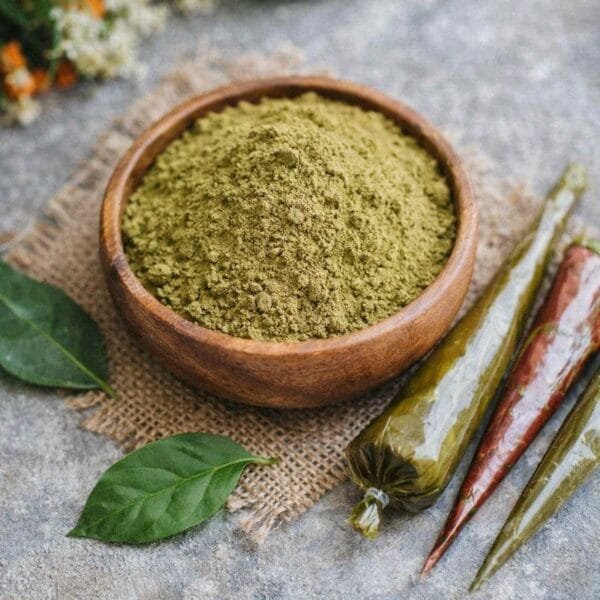
Henna comes from the leaves of the Lawsonia inermis plant and has been used for over 5,000 years. Ancient civilizations such as Egypt, Mesopotamia, and the Indus Valley valued henna for its cooling properties, natural dyeing ability, and symbolic meaning. Cleopatra herself was believed to use henna for cosmetic purposes.
From the beginning, henna represented protection, joy, and renewal—values that remain deeply connected to its use today.
Henna Traditions in South Asia
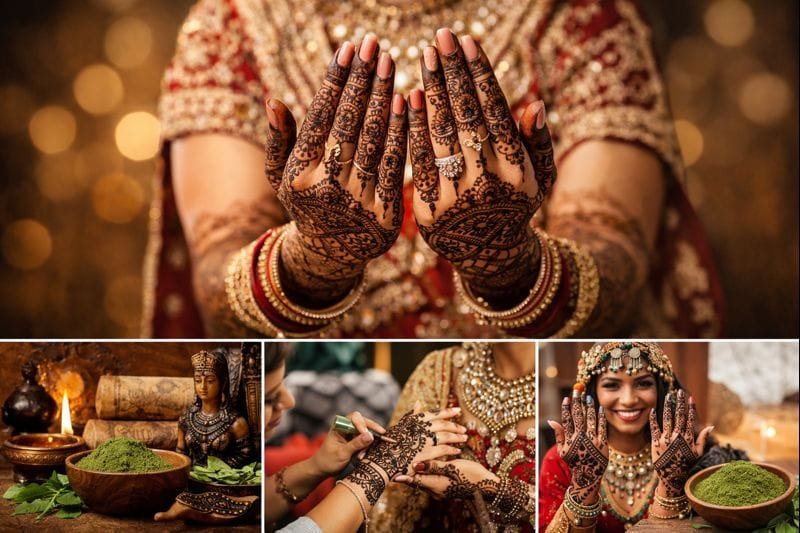
In India, Pakistan, and Bangladesh, henna is known as Mehndi and is an essential part of wedding ceremonies. Brides decorate their hands and feet with intricate designs symbolizing love, fertility, and prosperity.
Mehndi ceremonies are joyful gatherings filled with music, laughter, and blessings. Traditionally, darker henna stains are believed to signify deeper love and stronger bonds.
SEO keywords naturally used:
mehndi history, henna in Indian weddings, South Asian henna traditions
Middle Eastern Henna Customs
In the Middle East, henna has long been used during religious festivals, weddings, and childbirth celebrations. Designs are often bold and floral, reflecting regional artistic styles.
Henna is also valued for its cooling effect, making it especially practical in hot desert climates. Many cultures believe henna protects against negative energy and the evil eye.
SEO keywords naturally used:
Middle Eastern henna traditions, cultural significance of henna
African Henna Traditions
Henna plays a significant role in North and East African cultures, particularly in countries like Morocco and Sudan. Sudanese henna is known for its striking, dark designs, often covering larger areas of the body.
In Morocco, henna ceremonies mark important life events and are deeply rooted in spiritual protection and healing practices.
SEO keywords naturally used:
African henna body art, Moroccan henna rituals
Henna in Modern Times
Today, henna has become a global symbol of natural beauty and self-expression. While modern designs continue to evolve, many people are returning to pure, natural henna as awareness grows about chemical dyes and artificial ingredients.
At Yesaara Naturals, we are proud to support this return to authenticity by offering henna made with care, tradition, and nature in mind.
Why Henna Still Matters Today
Henna connects us to our roots while allowing creativity and individuality to flourish. Whether used for weddings, festivals, hair care, or personal expression, henna remains a powerful reminder that nature provides beauty without compromise.