
What Is Henna? An In-Depth Guide to the Ancient Art of Henna
What Is Henna
Henna is more than just a natural dye—it is a centuries-old tradition deeply rooted in culture, beauty, and self-expression. From intricate body art to natural hair coloring, henna has been used across civilizations for thousands of years. Even today, in an age of synthetic beauty products, henna continues to hold its place as a trusted, natural alternative.
In this in-depth guide, we’ll explore what henna is, where it comes from, how it’s used, its benefits, and why it remains relevant in modern times.
Title Page Separator Site title Using Customize Setting Show Hide
Title Page Separator Site title Using Customize Setting Show Hide
What Is Henna?
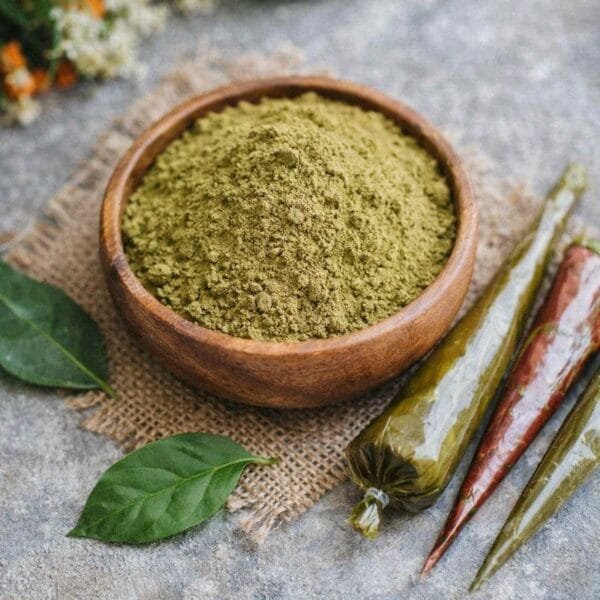
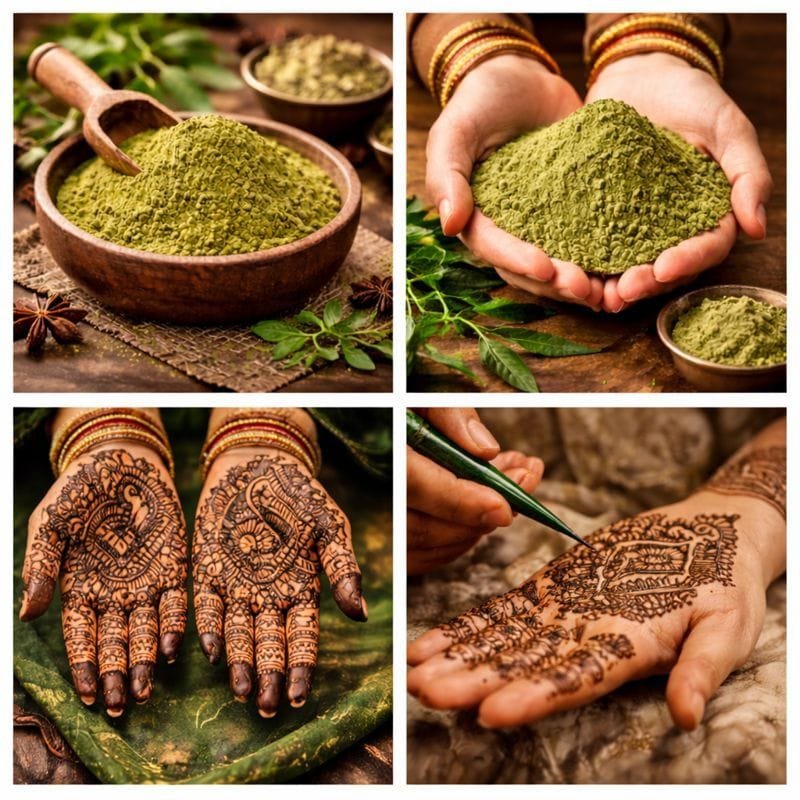
Henna is a natural dye derived from the leaves of the Lawsonia inermis plant. When these leaves are dried and finely ground into powder, they release a natural pigment called lawsone, which produces a reddish-brown stain when applied to skin, hair, or fabric.
Pure henna is completely natural and has been used for:
- Body art (mehndi)
- Hair coloring and conditioning
- Cooling the body
- Rituals and celebrations
The History and Origins of Henna
Henna has a rich history dating back over 5,000 years. Its use can be traced to ancient civilizations in:
- India
- Egypt
- Middle East
- North Africa
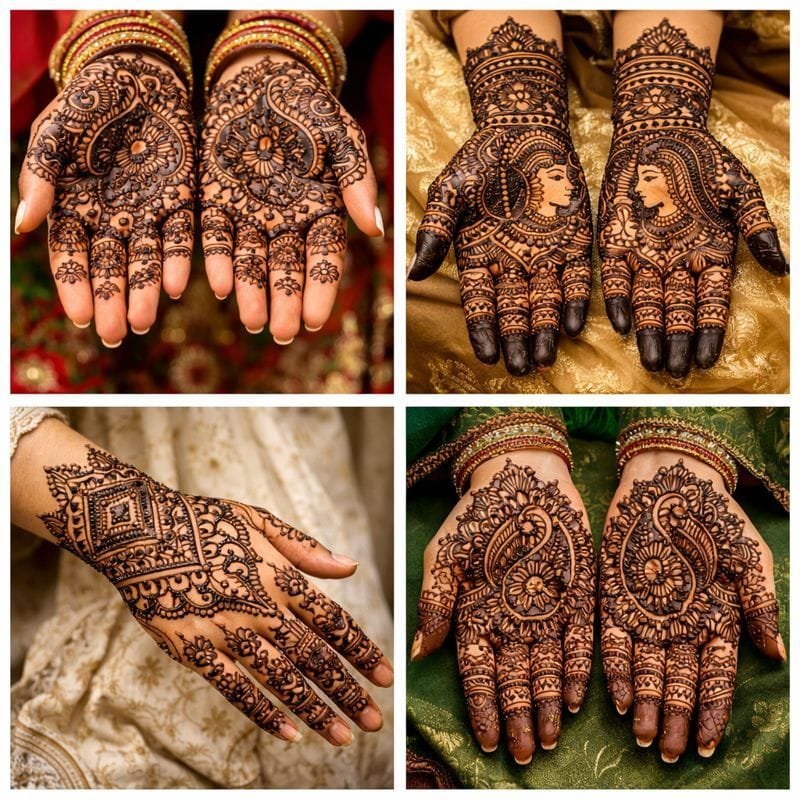
Ancient Egyptians used henna to dye hair and nails, while in South Asia and the Middle East, henna became an essential part of weddings, festivals, and religious ceremonies. The art of mehndi, or henna body art, symbolizes joy, beauty, and positive energy.
How Henna Is Made
The process of making henna is simple yet delicate:
- Fresh henna leaves are harvested
- Leaves are shade-dried to preserve color
- They are finely ground into powder
- The powder is sifted to ensure smooth texture
High-quality henna powder has a natural green color and an earthy aroma. The finer the powder, the better the stain and application.
Types of Henna
1. Natural Henna
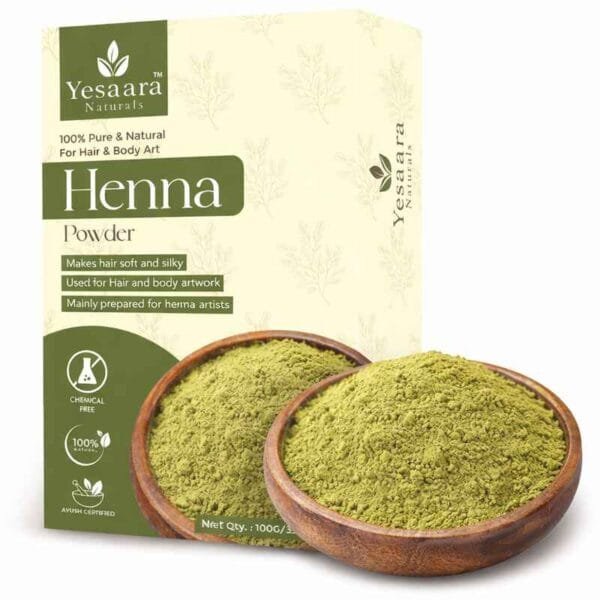
This is pure henna powder made only from henna leaves. It is safe, herbal, and chemical-free.
2. Hair Henna
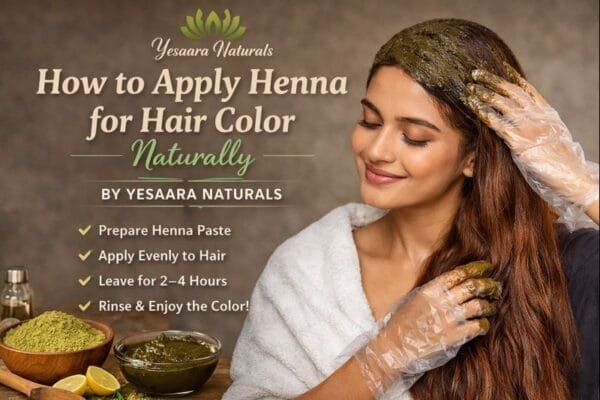
Used for coloring and conditioning hair. It provides natural reddish-brown tones and strengthens hair.
3. Body Art Henna (Mehndi)
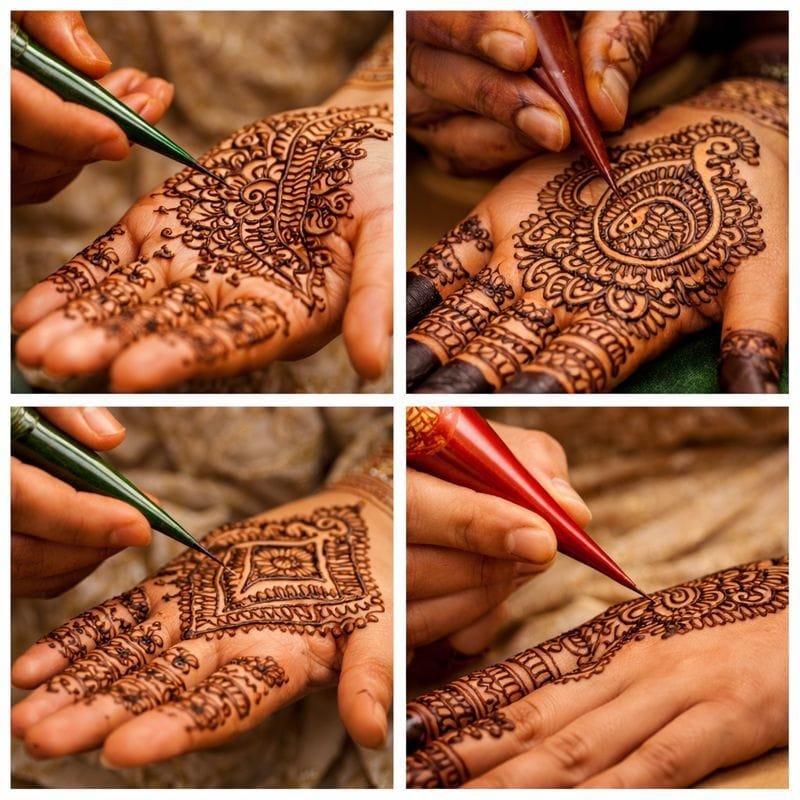
Specially sifted for smooth application on skin, used to create intricate designs.
Benefits of Henna
Natural and Chemical-Free
Henna contains no ammonia, peroxide, or synthetic dyes when pure.
Conditions Hair Naturally
Henna strengthens hair, reduces breakage, and improves texture.
Covers Grey Hair
It offers gentle, natural grey coverage without damaging hair.
Cools the Body
Traditionally used to cool the body in hot climates.
Safe for Skin Art
Natural henna is safe for skin and fades gradually without side effects.
Henna for Hair: Why People Still Trust It
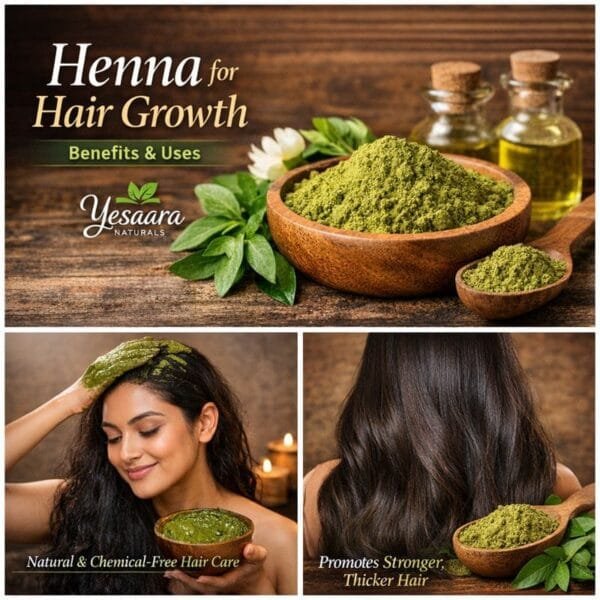
Henna remains a popular choice for hair care because it:
- Adds natural shine
- Improves scalp health
- Reduces dandruff
- Makes hair thicker and stronger
- Enhances natural hair color
Unlike chemical dyes, henna does not damage the hair cuticle. Instead, it coats the hair shaft and protects it.
Henna in Modern Times
Today, henna is widely used across the globe not just for tradition but for natural beauty and wellness. With increasing awareness about clean beauty, people are switching back to herbal solutions like henna for safer, long-term results.
Henna is now commonly found in:
- Herbal hair care routines
- Organic beauty products
- Cultural and festive celebrations
- Bridal and fashion body art
How to Identify Pure Henna
To ensure you’re using authentic henna:
- Check that ingredients list only Lawsonia inermis
- Avoid instant color claims
- Look for natural green powder
- Avoid strong chemical smells
How to Identify Pure Henna
To ensure you’re using authentic henna:
- Check that ingredients list only Lawsonia inermis
- Avoid instant color claims
- Look for natural green powder
- Avoid strong chemical smells
Pure henna stains gradually and improves with time.
Final Thoughts
Henna is a beautiful blend of tradition, nature, and care. Whether used for art, hair, or rituals, its value goes far beyond color. Understanding what henna is and how it works helps you appreciate why this ancient art continues to thrive in modern beauty routines.
If you’re looking for a natural, time-tested, and meaningful alternative to chemical products, henna remains one of nature’s finest gifts.